
Before omnishambles there was mockasham.
The first was coined by famously angry TV character Malcolm Tucker in 2009. The second was used at LSE when I was there in the early 2000s.
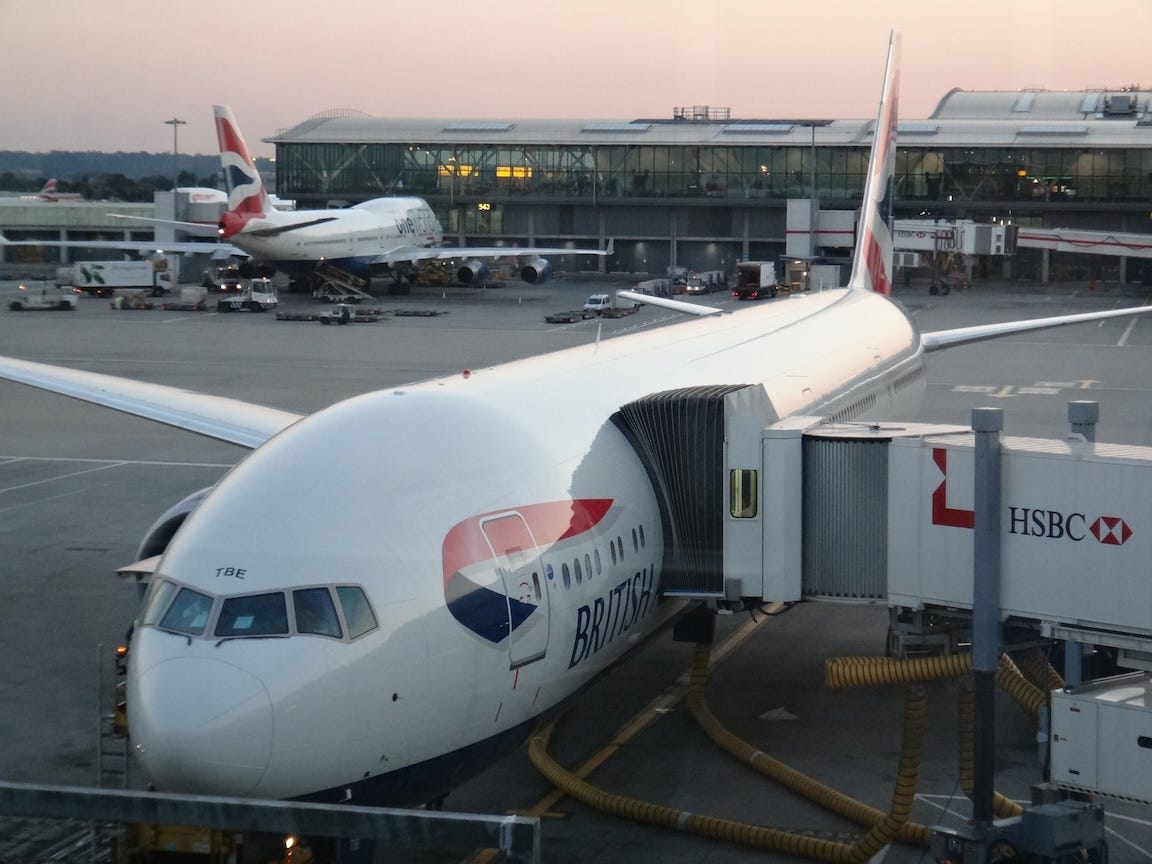
Both could apply to a recent promotion by British Airways and American Express, which went drastically wrong on Wednesday.
Despite the issues the airline and the card issuer encountered, there may have been rational reasons why the initiative was set up to fail.
In this article will first briefly cover what went wrong. Then I will outline how things could have been designed differently, and indeed to reward airline Loyalty KPIs. Finally I will explain why they were not.
Advertisement:
Note: I can’t claim credit for the British Errorways title, which must go to online poster “Nick”!
What went wrong?
When I wrote about the BA and Amex co-brand card five years ago there were probably around 500 thousand cards in circulation, roughly 90% on the free version. Rob Burgess of HeadforPoints, a blog, recently reckoned that circulation is now 750k.
The co-brand has been in effect for 25 years and your favourite airline revenue economist has been a holder for 20. To celebrate, BA is turning one of its regular flights to New York JFK into a party plane.
BA177 on Thu-15-Oct and BA180 on Sun-18-Oct are currently in the reservations system, but have been zeroed out for some time.
The deal was the co-brand card holders could register in advance and then log on to book at 12 noon on Wed-15-Jul. No cash element was required for tickets – only Avios.
It seems that avios.com went down before 12 noon. To add further confusion, there was an open link to make bookings too which did not require pre-registration.
Thousands of people tried to book. There were only 256 seats on the plane. Inevitably people who followed the rules and logged in on time did not get any seats.
Noteworthy aside
Interestingly there are no seat reservations on the two special flights assigned at the time of writing, 22 hours after the promo took place. This suggests that passengers have not yet received booking codes.
How could things have been designed differently?
The system used was, even if it had worked, a lottery. Essentially it was fastest finger first. A ballot would have saved all the people trying to book a lot of stressed.
It could have even rewarded loyalty to the BA and Amex co-brand and might have looked something like this:
Step 1: register for the ballot
Step 2: receive one entry per year of holding the co-brand to reward loyalty
Step 2a: receive another entry per year of holding the paid card to reward loyalty even more
Step 3: specify the lowest cabin you are willing to accept
Step 4: run the ballot drawing First Class seats first, then Business Class, then Premium and finally Economy, eliminating people who will not accept each lower cabin or who do not have enough Avios in their account as you go
Step 5: notify winners, all bookings non-refundable
So why did BA not do this?
The ballot system above has three disadvantages:
